Your reading list for this semester is twenty-two papers. Each one averages thirty pages. That's 660 pages of academic reading on top of lectures, problem sets, and actually writing your assignments.
If you read at a decent pace—maybe two pages per minute for academic material—you're looking at five and a half hours just for the reading. Most students don't have that kind of focused reading time lying around.
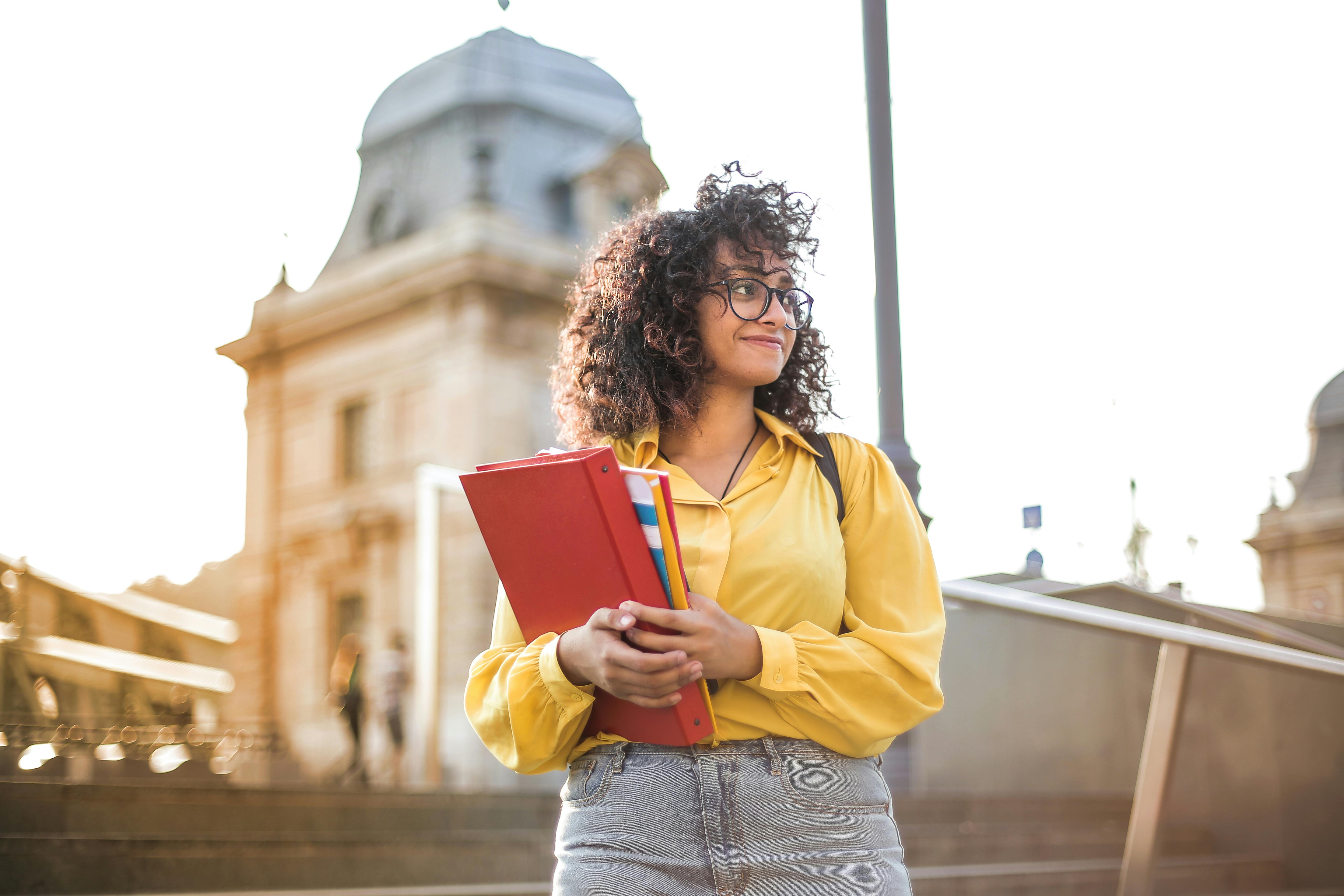
I started converting readings to audio in my second year of grad school. Not because I was behind, but because I was tired of spending entire Sundays in the library when I could be processing the same information while walking to campus or making dinner.
The first weird thing I noticed: I actually retained more. When you're reading in the library, you're getting interrupted constantly. Someone's phone buzzes. People walk by. You check your own phone. You reread the same paragraph three times because you weren't really paying attention.
Listening with headphones removes most of that. You're just hearing the content. Your mind can wander a bit and you're still taking it in. It's more like how you'd learn in conversation—someone's talking, you're processing, it's flowing naturally.
The second thing: you can process way more material in the same calendar time. Walking to class is twenty minutes. That's half a paper. Lunch break while eating is another twenty. Evening gym session is forty-five. You've just covered two full papers while doing things you were already doing.
Here's what worked for me. Sunday night, I'd pull up all the readings for the week. Copy the URLs or upload the PDFs to @OutloudAIBot on Telegram. Get back audio files for everything. Load them on my phone. Done.
Monday through Friday, I'd listen during any activity that didn't require my eyes. Walking between classes. Doing laundry. Cooking. Working out. The readings just happened in the background of my regular routine.
The strategy shifts depending on what you're learning. For context and background readings—the ones that give you the lay of the land—audio works perfectly. You're absorbing the main ideas and how they connect. You don't need to memorize every detail.
For primary sources and close reading assignments where you need to analyze specific passages, audio works for the first pass. You understand the overall argument and structure. Then you go back to the text to pull quotes and do the detailed analysis.
For problem-based classes like math or physics, audio obviously doesn't replace working through problems. But it's great for the conceptual explanations. Listen to understand the approach, then sit down with paper to practice.
The guilt about "not really reading" fades pretty fast once you realize you're actually learning the material better. Your brain processes spoken information just fine. Audiobooks aren't cheating at literature. Lectures aren't cheating at learning. Audio papers aren't cheating at research.
What matters is whether the information makes it into your head and you can use it. How it gets there is just logistics.
I've talked to other students who do this differently. Some listen at 1.5x speed to go faster. Some listen to summaries first to decide what needs deep reading. Some use audio for everything except their major coursework. There's no one right way.
The common thread is they're all processing more material than they would with reading alone, and they're less stressed about it because they're learning during time that was previously empty.
Try it with one reading this week. Convert it to audio through @OutloudAIBot, listen during your commute or while cleaning your room. See if you actually learned it. If it works, you just unlocked hours of study time you didn't know you had.